
Commercial battery storage sizing depends on facility load patterns, electricity tariffs, and operating goals. A factory with a 5 MW peak demand may need a 1–3 MW battery rather than a 5 MW system, while a hotel using 5 MWh/day may require 500 kW–1 MW storage for solar shifting. In 2024, many commercial projects selected 2–4 hour systems because they balance cost, daily cycling needs, and backup requirements.
Commercial battery storage systems for factories, hotels, and campuses are designed around three measurements: power rating (kW/MW), energy capacity (kWh/MWh), and discharge duration. Power rating determines how much electricity the battery can deliver at one time, while energy capacity determines how long the battery can operate.
A factory running motors, compressors, and production equipment often has short but expensive demand peaks. A 10 MW manufacturing site may only need a 3 MW battery if the goal is reducing the highest monthly demand intervals. In regions where demand charges represent 30%–50% of commercial electricity costs, reducing peak consumption can significantly affect annual operating expenses.
A battery system should be sized according to 15-minute or 30-minute interval load data from at least 12 months, because annual energy consumption alone cannot show when expensive peaks occur.
The same approach applies differently to hotels and campuses. Hotels usually have predictable morning and evening electricity peaks caused by HVAC systems, lighting, kitchens, and guest services. Universities and corporate campuses often have weekday-heavy demand patterns, with lower weekend consumption.
A 500-room hotel using 6 MWh per day may install a 1 MW/4 MWh battery combined with solar generation. The system can store midday solar electricity and release it during evening demand periods. Campus facilities with multiple buildings may use larger systems, such as 5 MW/20 MWh, to support renewable energy use and provide backup for essential services.
The sizing process starts with identifying the purpose of the storage system. Different goals require different battery configurations.
| Application | Typical Battery Duration | Common Capacity Range |
|---|---|---|
| Peak shaving | 1–4 hours | 500 kW–5 MW |
| Solar energy shifting | 2–6 hours | 1–20 MWh |
| Backup power | 2–8 hours | 500 kWh–50 MWh |
| Grid service support | 15 minutes–2 hours | 1–10 MW |
Peak shaving projects usually focus on reducing short periods of high electricity demand. For example, a factory with a 4 MW peak may install a 2 MW battery that discharges during the top demand periods. This approach avoids installing a larger system that would remain unused for most of the year.
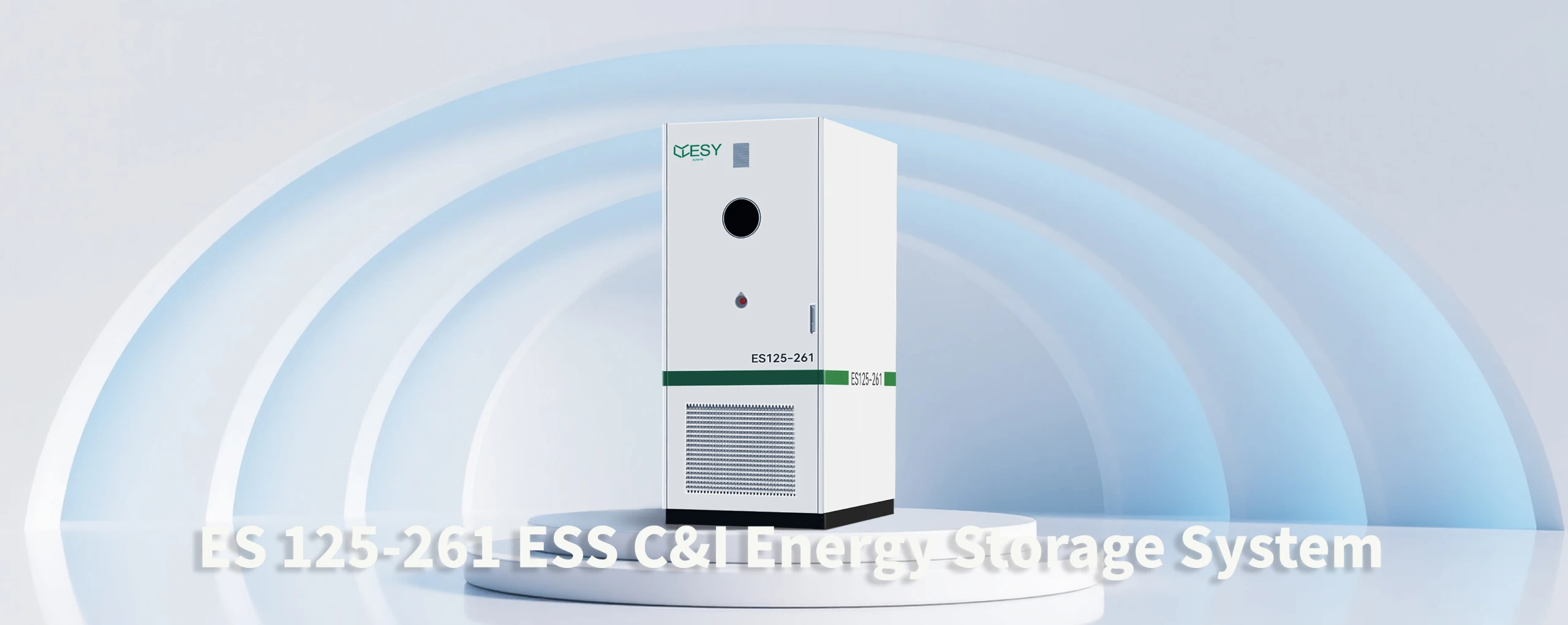
For facilities selecting AC-coupled C&I ESS for peak shaving, the battery inverter operates separately from existing solar inverters or electrical systems. This design is often suitable for factories and commercial buildings that already have solar installations or want to add storage without major changes to existing equipment.
Battery duration selection depends on how the facility uses electricity. A 1 MW/2 MWh battery can provide 1 MW output for about two hours, while a 1 MW/8 MWh battery can continue operating for approximately eight hours. Longer duration increases flexibility but also increases installation costs.
Lithium iron phosphate (LFP) batteries are widely used in commercial storage projects because of their long service life and stable operating characteristics. Modern LFP systems can reach 6,000–10,000 cycles, with round-trip efficiency commonly between 85% and 95%. For a battery cycling once per day, this can represent more than 10 years of regular operation before major capacity reduction.
Battery degradation must be included during system design. A commercial battery may lose around 2%–3% capacity annually depending on temperature, charging speed, and operating frequency. A project requiring 4 MWh usable capacity after 10 years may need additional initial capacity to account for future reduction.
The physical environment also affects sizing decisions. Warehouses, factories, and outdoor installations require temperature management systems to maintain battery performance. Battery containers often include HVAC equipment that can consume 3%–8% of stored energy depending on climate conditions and operating schedules.
Electricity pricing structure is another factor. Commercial customers in markets such as California, New York, and parts of Europe often face different electricity prices throughout the day. Storage systems can charge when electricity prices are lower and discharge during expensive periods.
A commercial battery project completed in 2025 may evaluate 10–20 years of electricity prices, battery replacement assumptions, maintenance costs, and equipment performance before installation.
Renewable energy integration changes the required battery size. A building with a 2 MW solar system may produce excess electricity between 10 a.m. and 3 p.m., while electricity demand increases after sunset. A 2 MW/8 MWh battery can shift several megawatt-hours of solar energy into evening operation.
Factories with continuous production schedules may use storage differently. Instead of storing solar energy only, they may combine battery operation with production planning. For example, a factory can reduce grid demand during a high-price period while maintaining normal equipment operation.
Backup requirements also influence battery capacity. Many commercial facilities do not need full-building backup. Hospitals, hotels, laboratories, and campuses often define critical loads separately, including emergency lighting, communication systems, refrigeration, security systems, and essential equipment.
A campus requiring 2 MW of emergency power may not install a 20 MW battery. Instead, it may select a smaller system designed for selected buildings and essential services. This reduces installation costs while maintaining required operation during outages.
Battery management software has become an important part of commercial storage projects. Energy management systems can combine electricity prices, weather forecasts, solar production, and facility schedules to adjust battery charging and discharging.
Artificial intelligence-based energy management platforms introduced between 2020 and 2025 have improved forecasting accuracy in some commercial applications by approximately 10%–20%, helping facilities optimize daily battery operation.
A practical sizing process usually follows several steps:
| Step | Evaluation |
|---|---|
| 1 | Collect 12 months or more of interval electricity data |
| 2 | Identify demand peaks and operating schedules |
| 3 | Select the main purpose: peak shaving, backup, or renewable use |
| 4 | Calculate required power rating |
| 5 | Select battery duration and energy capacity |
| 6 | Evaluate 10-year or longer operating costs |
Future expansion should also be considered. Many commercial users start with smaller systems and expand later. A modular 1 MWh battery installation can be increased to 5 MWh when electricity demand grows or additional solar capacity is added.
Factories, hotels, and campuses have different electricity profiles, so there is no single battery size suitable for every project. A manufacturing plant may prioritize demand reduction, a hotel may focus on solar usage and backup, and a campus may combine renewable integration with energy resilience.
A well-designed commercial battery system matches storage capacity with real electricity patterns, equipment requirements, and long-term operating plans. For many facilities, selecting the correct size provides better results than simply installing the largest available battery system.